
Bespoke Joinery: A Guide to Materials, Finishes and Better Storage
Good joinery brings together thoughtful design, practical storage and careful craftsmanship. From fitted wardrobes and kitchen cabinetry to bookshelves and concealed desks, it can make a room feel more considered and easier to use.
Before commissioning bespoke joinery, it helps to understand what goes into it. Here are four questions to guide your decisions.
1. What is bespoke joinery, and is it worth the investment?
Bespoke joinery is furniture and cabinetry designed and made specifically for your space. Its dimensions, internal layout, materials and finishes are tailored to your home and how you use it.
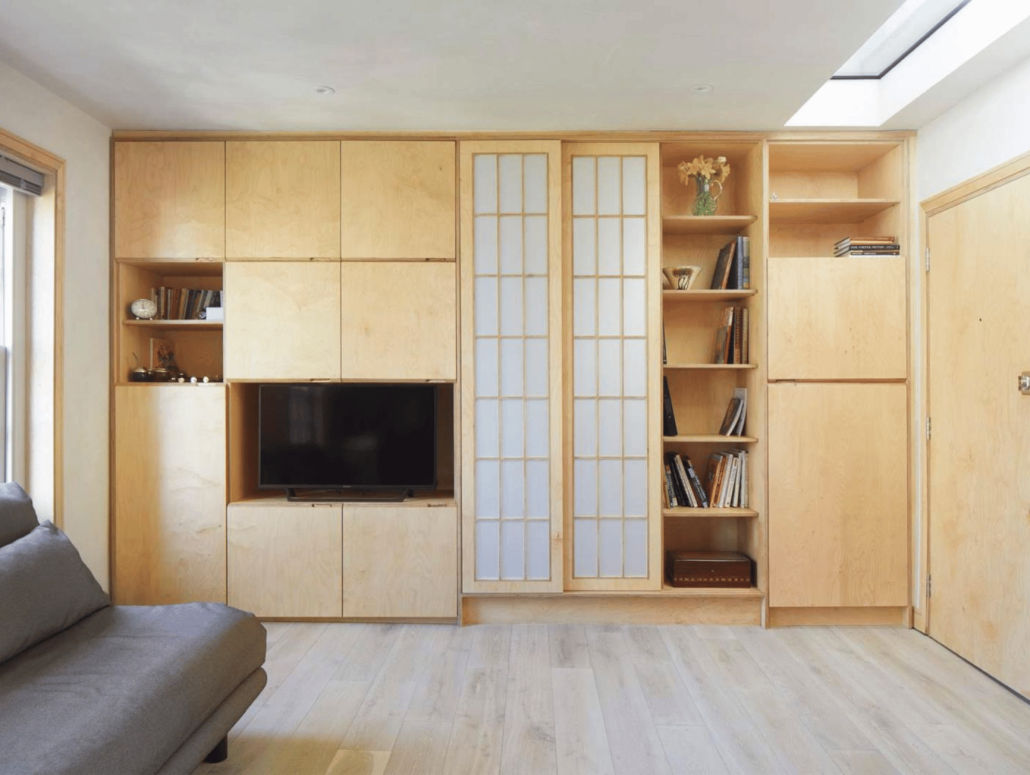
Unlike furniture made in standard sizes, bespoke pieces can accommodate sloping ceilings, narrow alcoves and uneven walls. They can also integrate with architectural features, creating a consistent appearance throughout a room.
The investment is particularly valuable where standard furniture leaves awkward gaps or fails to provide the storage you need. A wardrobe designed around your clothes, or a cabinet that combines display space with concealed storage, can improve everyday use as much as appearance.
Project:
SLB
Location:
Salisbury Road, Queens Park
Architecture:
CBC Design & Build
Construction:
CBC Design & Build
2. Which materials are best for joinery, and how durable are they?
There is no single material that suits every application. The right choice depends on the design, expected wear, exposure to moisture and desired finish.
Solid timber offers natural character and can often be refinished, although it moves with changes in humidity. Wood veneer provides a real timber surface over a supporting board, making it a useful option for larger cabinetry panels.
Durability also depends on construction. Properly supported shelves, well-finished edges, suitable hinges and accurate installation all contribute to how well a piece performs over time. A considered design may use different materials for different parts of the same cabinet.
3. Which joinery finish should I choose?
A finish influences both the appearance of joinery and how you care for it. Start by considering whether you want visible timber grain, a particular colour or a surface suited to frequent use.
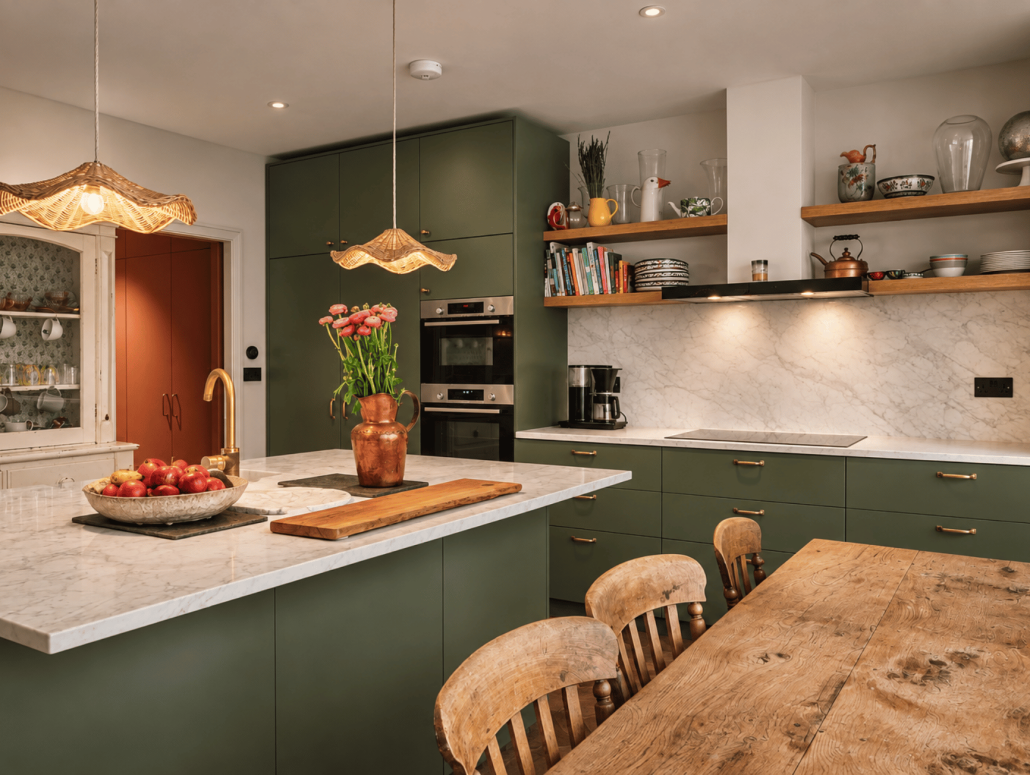
Painted finishes offer flexibility with colour and can help cabinetry blend into the walls or become a feature. The paint system and level of sheen should suit the location and expected handling.
For timber and veneered surfaces, oils and clear lacquers allow the grain to remain visible. Oils may need periodic maintenance, while lacquer creates a protective surface coating. The exact care requirements depend on the product specified.
Laminate is another practical option, offering a wide choice of colours and textures with an easy-care surface. Its performance depends on the specification, supporting board and edge detailing.
Always review physical samples before making a decision. Colour, grain and sheen can look quite different under your room’s lighting.
4. How can bespoke joinery create more useful storage?
Better storage starts with understanding what you need to put away. Clothes, books, kitchen equipment and everyday essentials each require different depths, layouts and access.
Bespoke joinery can make use of alcoves, spaces beneath stairs and the full height of a room. Internally, drawers, adjustable shelves and hanging rails can be arranged around your belongings. Frequently used items should remain within easy reach.
Combining open shelving with closed cupboards also helps balance display and practicality. Door clearances, sockets, lighting and ventilation for enclosed equipment should be considered early, so the finished furniture works comfortably within the room.
At CBC Joinery, we create bespoke joinery in our own workshop. Behind every finished piece is a dedicated design team working at their computers to develop drawings, refine dimensions and finalise the details that guide manufacture.
Through close collaboration with architects, interior designers and clients, we bring the design intent and practical requirements together. That coordination connects the initial idea with the craftsmanship in our workshop, creating joinery tailored to both the space and the people using it.
1. Is bespoke joinery worth the investment?
Yes. Bespoke joinery maximises space, improves storage and creates furniture tailored to your home. It’s particularly valuable for awkward spaces where standard furniture doesn’t fit.
2. How much does bespoke joinery cost in London?
The cost depends on the size, materials, finishes and complexity of the design. Each bespoke joinery project is priced according to its specific requirements.
3. What are the best materials for bespoke joinery?
Solid timber, wood veneer, MDF and laminate are popular choices. The best material depends on durability, appearance, maintenance and how the furniture will be used.
4. Can bespoke joinery improve storage in small spaces?
Yes. Fitted wardrobes, alcove cabinets, under-stairs storage and floor-to-ceiling shelving make better use of available space while reducing clutter.
5. How do I choose the right bespoke joinery company in London?
Look for quality craftsmanship, thoughtful design and attention to detail. CBC London combines in-house design and workshop manufacturing to create joinery tailored to each space.